

New Multiresistant Pathogens in Hospitals
Multiresistant pathogens (MRE) pose a serious threat to patients in German hospitals. They are resistant to multiple antibiotics, making treatment difficult and increasing mortality rates. Annually, 400,000 to 600,000 people become infected with hospital-acquired pathogens, 10,000 to 20,000 of whom die.
HighTop RSV & Influenza A/B + Corona Kombi Schnelltest 4in1 20 Stück
Key Facts at a Glance:
Key Takeaway:
-
Most Common Pathogen Groups:
- MRSA: Resistant to beta-lactam antibiotics
- VRE: Resistant to glycopeptide antibiotics
- CRE: Resistant to carbapenems
- Candida auris: Resistant to antifungals
-
Reasons for Spread:
- Excessive antibiotic use
- Poor hygiene in hospitals
- International travel
-
Solutions:
- Diagnostics: Rapid tests such as the DVOT Multiplex Test Kit
- Hygiene: Regular disinfection and high-quality protective equipment
- Antibiotic Management: Controlled use of medications
Comparison of Greatest Risks:
| Pathogen Type | Primary Resistance | At-Risk Groups |
|---|---|---|
| MRSA | Beta-lactam antibiotics | ICU patients |
| VRE | Glycopeptide antibiotics | Oncology and transplant units |
| CRE | Carbapenems | Immunocompromised patients |
| Candida auris | Antifungals | All hospital areas |
Conclusion: A combination of rapid diagnostics, strict hygiene measures and targeted antibiotic use is essential to stop the spread of multiresistant pathogens.
2024-2025 Research on New Resistant Strains
Key Findings from Studies
Current research highlights the growing threat posed by newly emerging resistant strains. According to the Robert Koch Institute, there was a clear increase compared to the previous year. Particularly notable is that more and more pathogens are resistant to multiple antibiotic classes
parahealth diagnostics SARS-CoV-2 antigen rapid test for self-testing use, 5 pieces | HSC ID 2758
simultaneously. Frequently affected are carbapenem-resistant Enterobacteriaceae (CRE), multidrug-resistant Pseudomonas strains, and newly identified resistant Candida auris strains.
The use of modern diagnostic tools such as the DVOT Multiplex Test Kit has accelerated detection of these pathogens in clinical practice. This technology enables rapid and precise multiplex diagnostics, which is crucial for effective treatment.
The study results are clearly reflected in regional distribution patterns.
Regional Distribution in Germany
The distribution of new resistant strains varies significantly across regions. In urban areas and university hospitals, these pathogens occur more frequently. This is due, among other things, to high patient turnover, intensive antibiotic use and international travel.
Effective hygiene management is essential to contain the spread. This includes regular screening with specialized test kits and the use of high-quality protective equipment. Hospitals can obtain products such as the DVOT Multiplex Test Kit, Sterillium® Hand Disinfection (from 1.95 €) and Nitrile Disposable Gloves (from 2.26 € per 100 pieces) from parahealth.
The research results demonstrate how important systematic monitoring and rapid diagnostics are for dealing with resistant pathogens.
The Most Common New Resistant Pathogens
CRE Infections
Carbapenem-resistant Enterobacteriaceae (CRE) are a serious threat in German hospitals. According to the Robert Koch Institute, case numbers are rising significantly, and these infections often have high mortality rates. With the DVOT Multiplex Test Kit, CRE can be quickly identified, enabling patient isolation and targeted therapies. Products like this are available through parahealth.
Other pathogens also show increasing resistance problems.
Resistant Pseudomonas aeruginosa Strains
Multidrug-resistant Pseudomonas aeruginosa strains are steadily increasing. These bacteria display complex resistance patterns against multiple antibiotic classes. This makes pathogen-specific therapy increasingly important to effectively combat these infections.
However, the problem is not limited to bacteria alone but also affects fungi.
New Resistant Fungi
Candida auris is another example of the growing danger posed by resistant pathogens in hospitals. Many of the isolated strains are resistant to at least one antifungal class. Additionally, the fungus remains viable on surfaces for long periods, complicating containment. Multiplex PCR tests, such as those offered by parahealth, enable rapid identification and contribute to effective control.
Why Resistance Spreads in Hospitals
Problems with Antibiotic Use
Excessive and preventive use of antibiotics without clear bacterial infection increases selective pressure and promotes the development of resistant bacterial strains. This practice accelerates the spread of multidrug-resistant germs in hospitals. Additionally, inadequate hygiene significantly contributes to the rapid spread of these pathogens.
Poor Hygiene in Hospitals
Studies show that hand disinfection in many hospitals does not always meet required standards. High-quality products such as disinfectants and protective equipment, available through providers like parahealth, can significantly improve hygiene management. The following products play an important role in effective infection control:
| Product | Properties |
|---|---|
| Hand Disinfection | Effective against viruses and bacteria |
| Disinfection Wipes | Suitable for surfaces and equipment |
Role of International Mobility
Increasing global mobility contributes significantly to the spread of resistant germs. Patient transfers between hospitals in different countries and medical tourism increase the risk of transmission of multidrug-resistant pathogens. To minimize this risk, enhanced screening upon hospital admission is necessary. Specialized test kits such as the DVOT Multiplex Test Kit can be used for this purpose.
The combination of incorrect antibiotic use, poor hygiene and international mobility creates optimal conditions for the spread of resistant pathogens. To stop this development, coordinated measures at all levels of the healthcare system are required.
Control Methods and Solutions
Improved Antibiotic Management
Studies show that stricter control of antibiotic prescribing and regular monitoring help reduce resistance. Through targeted reviews, incorrect prescriptions can be identified and corrected early. These measures complement a comprehensive concept to improve hygiene.
New Standards in Hospital Hygiene
The implementation of modern hygiene protocols includes various measures that should be strictly enforced:
| Measure | Application | Product |
|---|---|---|
| Hand disinfection | Before and after patient contact | Sterillium |
| Surface disinfection | Daily cleaning | Medizid® QF |
| Protective equipment | During patient contact | Hygisun Nitrile Gloves |
In addition to optimized hygiene standards, early testing plays a crucial role in effectively controlling infections.
Diagnostics and Prevention with parahealth Products
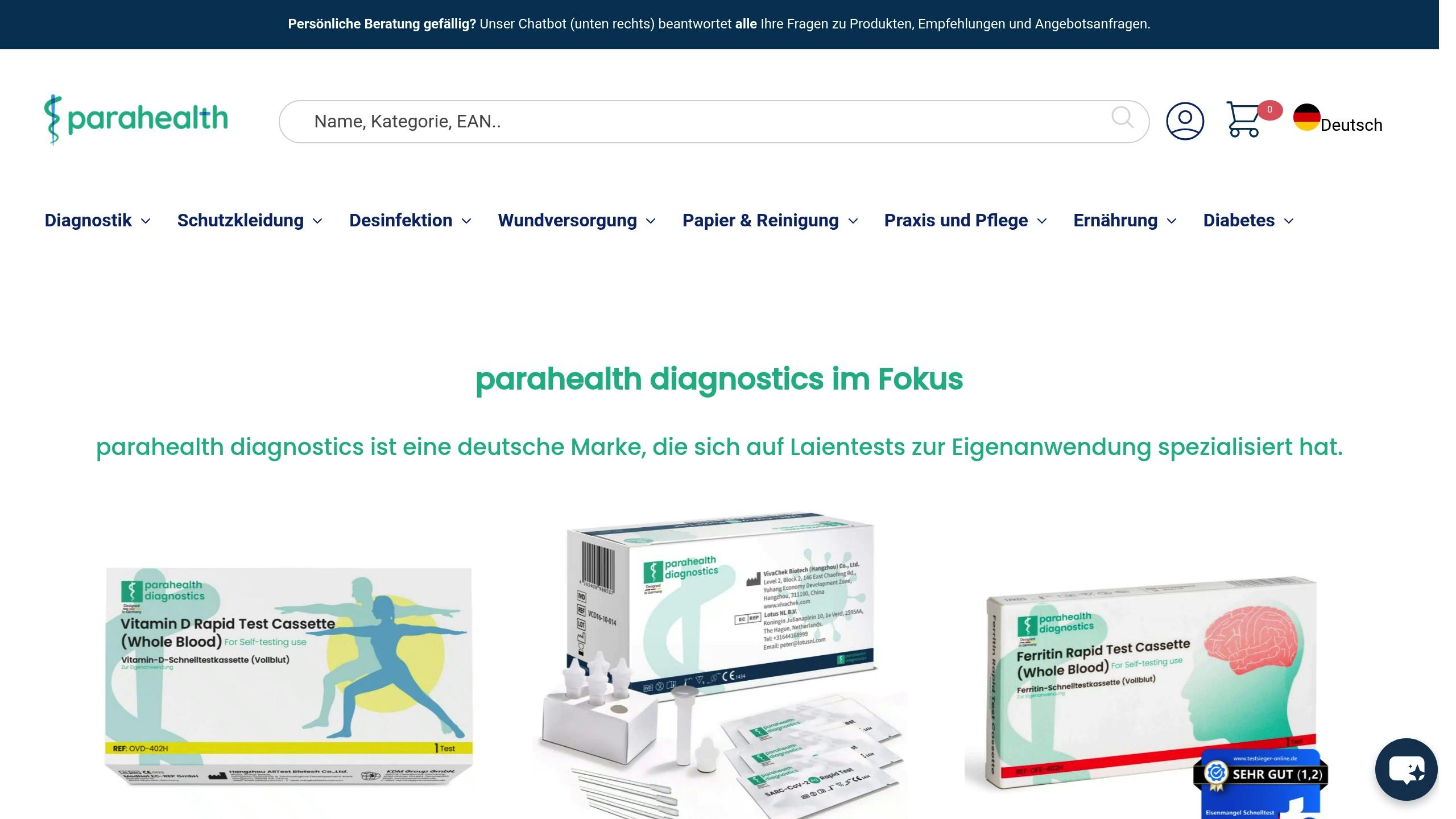
parahealth offers specialized diagnostic solutions that enable targeted infection control. One of the central tools is the DVOT Multiplex Test Kit, which allows precise multiplex diagnostics and supports targeted therapy. Other products include:
- Fluorecare Combo Rapid Test: Detection of various pathogens simultaneously
- Longsee Corona Professional Rapid Test Set: Ideal for regular use
The combination of these diagnostic tools, regular staff training and careful documentation creates a solid foundation for dealing with multiresistant pathogens in hospitals.
Summary: Combating Resistant Pathogens
Effective control of multidrug-resistant pathogens rests on three pillars: precise diagnostics, strict hygiene measures and targeted antibiotic use. Studies show that early detection through modern test methods is particularly crucial.
Hospitals increasingly rely on specialized diagnostics, such as the DVOT Multiplex Test Kit from parahealth (from 17.25 €), which can detect multiple respiratory pathogens simultaneously. Combined with high-quality protective equipment, this creates a comprehensive protection system.
Recommended Products for Prevention
| Prevention Area | Products | Price Range |
|---|---|---|
| Diagnostics | DVOT Multiplex Test Kit | from 17.25 € |
| Hand hygiene | Sterillium®, Alcoman® | 1.95 € – 2.94 € |
| Protective equipment | Hygisun Nitrile Gloves (100 pcs) | from 2.26 € |
Strict hygiene measures, regular training and the use of high-quality protective materials help interrupt transmission pathways and fully harness the benefits of modern diagnostics.
Related Blog Posts
- 7 Important Hygiene Standards for Care Facilities
- Flu Wave 2025: Rising Case Numbers & Current Situation
- Antiviral Resistance in SARS-CoV-2: An Update
- Multiplex Panels for Bacterial Infections: Overview
Recommended Products
- HighTop RSV & Influenza A/B + Corona Kombi Schnelltest 4in1 20 Stück — €37.79
- fluorecare Corona & Influenza A/B & RSV Antigen Kombitest — €1.77
